
Exercise for the young body and mind
Zachary Alapi
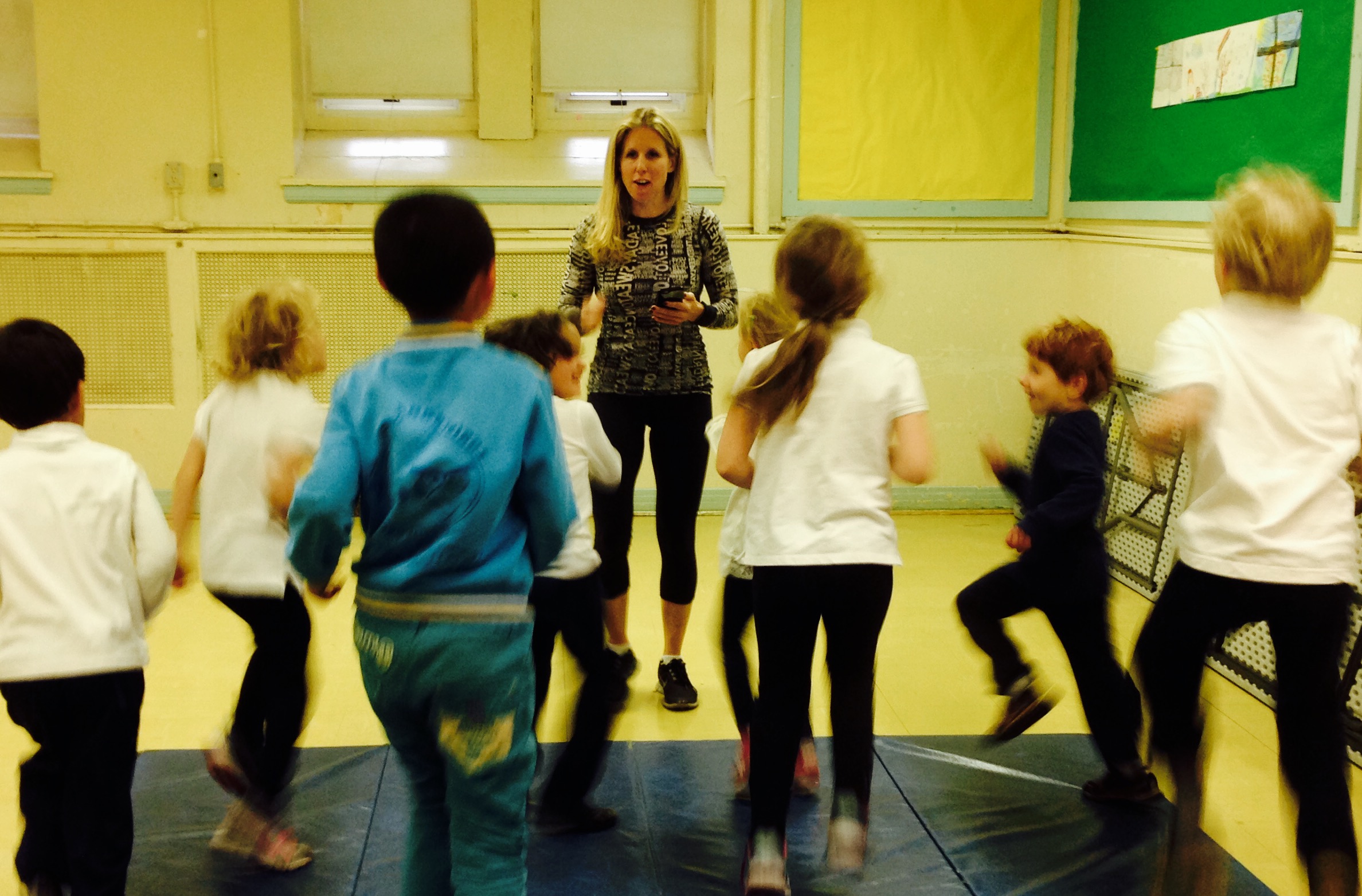
When it comes to any type of fitness activity, sustaining motivation and fostering enjoyment is essential. For Shana Rotstein, the creator and instructor of Kidfit, instilling a love of exercise and physical activity is at the core of her mission.
“Kids end up sitting in class and watching television at home, said Rotstein. I want to get them moving and experiencing everything.”
Kidfit is a course designed to bring the fun back into fitness, and it “incorporates problem-solving and decision-making skills with motor development activities.”
Rotstein’s pilot project was launched at Roslyn Elementary School in Westmount – and has since expanded to Dunrae Gardens – after the school’s Activities Coordinator approached the long-time personal trainer about starting a fitness class for students ranging from kindergarten to grade two.
Hurdles
Technology and our increasingly sedentary lifestyles are hurdles for any fitness professional, Rotstein acknowledges. In Canada, 13 per cent of those aged three to 19 are obese, compared to only five per cent in the 1970s as reported by the CBC. This dramatic increase has coincided with children spending more time in front of computer screens and playing video games.
Although paediatricians recommend no more than two hours of daily screen time for children, The Atlantic published findings from a study that confirmed youth far exceed this number; in fact, 46 per cent of third graders average more than two hours of screen time per day – a figure that jumps to 70 per cent by grade nine.
Rotstein, however, has found the children she works with to be extremely willing and enthusiastic participants. “I love the energy in the class, getting kids to do movements that they never thought they could do, and I love the feedback.”
More than being active
Her primary goal is about more than just getting children to be active, and Kidfit differs from a typical physical education class. It’s about developing a lifestyle grounded in overall wellness, which necessitates a wider scope.
For instance, Rotstein talks to her young participants about nutrition, encouraging them to eat healthy. This is crucial, because prevention has become the most effective means to combat obesity and other major health risks. What Kidfit does, unlike typical exercise classes, is establish a positive, knowledge-based foundation for children that they can carry forward.
A typical class also includes games that challenge the children from intellectual and physical standpoints. Even anatomy is part of the groundbreaking curriculum; the young participants learn about monitoring their heart rates, as well as lung capacity – and how to breathe properly – by blowing up balloons.
You may even see children doing planks – an exercise most adults dread – because it’s been incorporated into a collaborative game. This speaks to Rotstein’s belief that when people work together they push each other in positive ways. Suddenly, doing isometric, mobilization, and metabolic conditioning is fun, and self-confidence abounds.